

The best pet birds for beginners are small species with simple needs, such as budgies, cockatiels, parrotlets, lovebirds, canaries, finches and doves. Which one is right for you depends on whether you want a bird to handle and train, or one you can simply enjoy watching and listening to.
So, you’re looking into getting a pet bird but just don’t know where to start? Who could blame you, there are so many awesome birds that it can be quite hard to wrap your head around them all. These creatures are said to descend from dinosaurs, more specifically theropods, and they’re still pretty interesting today!
Whether you’re looking for a low-maintenance pet bird or you simply want a different kind of pet, we have a few recommendations to help you choose.
The best pet birds for beginners at a glance
| Bird | Size | Typical lifespan | Noise | Best for |
|---|---|---|---|---|
| Budgie (parakeet) | 6-8 in | 5-15 years | Generally quiet | Taming, training and daily interaction |
| Cockatiel | 10-12 in | 15-25 years | Generally quiet, softer than larger parrots | Friendly handling |
| Parrotlet | 4-5 in | 15-25 years | Moderate | A big personality in a small bird |
| Lovebird | 5-7 in | 10-20 years | Quite vocal | Owners with time for training |
| Canary | 4-5 in | 10-15 years | Melodic singing | Listening and watching |
| Finch | 3-4 in | 5-10 years | Relatively quiet | Watching a small flock |
| Dove | 8-9 in | 10-15 years | Quiet, soft cooing | A calm, gentle home |
Lifespan and noise vary between birds and sources, so treat these as a rough guide.
The 7 best pet birds for beginners
1. Parakeets or budgies
Parakeets, more commonly referred to as budgies, are number one on our list because they’re among the most popular pet birds around and are generally simple to care for. If you’d like to learn more, we’ve answered the question of whether budgies are good pets for beginners in more detail.

These adorable birds come in a lot of different shades and colors, ranging from blue and green to white and yellow. Given the proper care, they can be really affectionate. They’re intelligent, can be taught tricks and may even learn short phrases!
This is the type of bird that truly benefits from spending quality time with their owner. Our guide to taming budgies can help you get started, and you can also find out what budgies absolutely love. You can pick out a companion budgie for them to live with too, although it’s a good idea to learn why budgies sometimes fight. Budgies may nip, but their bites don’t hurt as much as a larger bird’s might.
They need exercise, so it’s recommended to let them out once a day for an hour or so. Before you do, make sure that all of the windows are closed. It’s also better if the room doesn’t have any other animals in it, so they can fly around in peace.
Their lifespan is usually 5 to 10 years, sometimes longer. They’re small and generally not too loud, but they do require quite a bit of socialization.
2. Cockatiels
Cockatiels are also one of the most popular pet birds, and there are plenty of reasons why cockatiels make great pets. They’re affectionate birds that are usually gray, white and yellow, and they’re most notable for the feathered crests on their heads and the colored marks on their cheeks.

They’re sociable, comfortable being handled and adore interacting with people, making friends with as many as possible instead of attaching themselves to one person only. They’re slightly higher maintenance than budgies because they need more space and a bigger cage, but they’re still pretty good for beginners.
Like budgies, you should let your cockatiel out of their cage every day, in a safe open area, to get their exercise needs met. Plenty of toys will help too, and they can be quite funny around them, as you’ll see if you read about whether cockatiels like mirrors.
Their lifespan can reach 15 to 25 years, so this is a long commitment. They’re generally not too loud, and their need for socialization is pretty moderate.
3. Parrotlets
This bird is one tiny ball of spunk and energy! Parrotlets are naturally curious, sassy and quick-witted, and can come in many shades of yellow, green and blue. So, if a brightly colored, small but sassy bird fits your pet criteria, then look no further.

Parrotlets are less likely to bond with you if you don’t make the effort, so it’s recommended that you spend a lot of time with them. They’re also very easily bored, so always be well equipped with fun toys. If you give your parrotlet a companion, they’ll form a strong bond and probably care less for the humans around them, so it all depends on what you’re looking for.
Letting your parrotlet out of their cage is a must, because they need the exercise. A few hours a day should meet their physical needs.
Their lifespan is about 15 to 25 years, they’re the smallest parrots on this list, and they make a moderate amount of noise.
4. Lovebirds
Lovebirds are one of the most colorful options you can imagine, and they resemble a rainbow-colored sorbet in a way. They’re extremely chatty and full of spunk, a lot like the parrotlet. This means that they’ll need plenty of attention and training so they don’t end up aggressive and territorial.

With constant care and training, they can form a strong bond with you and become quite the cuddler. They love to play and chew on things, so keep their cage stocked with zinc- and lead-free toys. Lovebirds can be nippy, so they’re a better choice for a beginner who has plenty of time and patience.
Even though it’s a myth that lovebirds need a mate, they do like company. Give them plenty of space by setting up a medium-sized cage, and let them out for exercise every day. Before you decide, read our 5 facts you need to know about keeping lovebirds.
Their lifespan is about 10 to 20 years, they’re small in size, and they’re generally quite vocal.
5. Canaries
There’s a chance you already know a bit about canaries before reading this article, and with how passionate the canary-owning community is, that wouldn’t come as a surprise! They’ve been talked about in poetry, novels and songs, thanks to their delicate appearance and beautiful singing voice.

Canaries come in various colors, such as yellow, orange, red and white. They’re a great choice if you’d rather watch and listen than handle your bird, because they don’t enjoy constant touch and can be content living alone. Our guide on how to keep canary birds covers the basics, and you should also learn how to spot if your canary is ill.
You can keep them in a group if you have enough space, just make sure not to put two males together, as they may fight. If you specifically want a pretty singing voice, it’s recommended to get a male. A long cage gives them room to fly.
Their lifespan is about 10 to 15 years, and they’re small. They can be pretty noisy, but in this case it’s not the annoying type of noise!
6. Finches
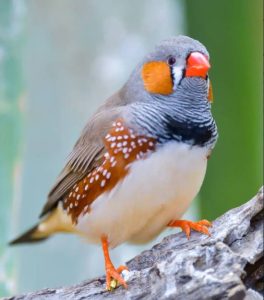
If you love the idea of having birds around but don’t plan on much handling, finches are a lovely option. These tiny, active birds are best kept in pairs or small groups, and much of the fun comes from watching them interact with each other.
They don’t need taming or a lot of one-on-one time, but they do need a spacious flight cage, fresh food and clean water. They also make pleasant, relatively quiet sounds, so they can suit homes where a louder bird wouldn’t work.
Their lifespan is about 5 to 10 years, and at 3 to 4 inches, they’re the smallest birds on our list.
7. Doves
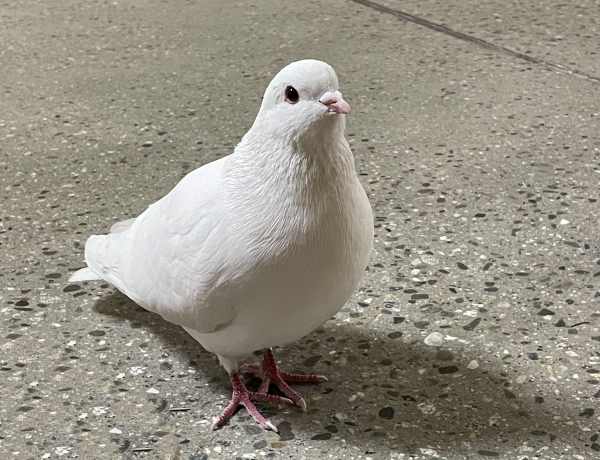
Doves are calm and gentle birds that are unlikely to bite, which makes them a great fit if you want a peaceful pet. They have relatively simple needs and do well with another dove for company.
They need a larger cage than their size might suggest and usually only tolerate brief handling. Their soft cooing is much gentler than the calls of most parrots, so many people find them quite relaxing to have around.
Their lifespan is about 10 to 15 years, and they’re quiet birds overall.
Which birds aren’t ideal for beginners?
Some birds can be wonderful companions, but they’re a much bigger commitment. Larger parrots, such as macaws, African greys and cockatoos, can live for decades and need large enclosures, extensive training and a lot of social time. Without that, they can develop stress, screaming, feather plucking or aggression. If you’re a first-time owner, it’s safer to start with a smaller species.
You can read more about how long parrots live as pets if you’re considering one in the future.
What is the best parrot for beginners?
Budgies and cockatiels are usually the best parrots for beginners, because they’re small, friendly and easier to manage than larger species. If you want more personality in a small package, a parrotlet or lovebird can also work, as long as you have plenty of time for them. Green-cheeked conures are another popular choice, but they need a lot of attention and can be loud at times.
If you do get a parrot, it’s worth reading about how to stop your parrot from biting and how to teach your parrot to talk.
What is the easiest bird to take care of?
For most people, finches, canaries and doves are the easiest birds to take care of day to day, because they don’t need much handling. Budgies are a great choice if you want an easy bird that you can also tame and interact with. Keep in mind that no bird is truly hands off, because they all need daily food, fresh water and a clean home.
What to consider before getting a pet bird
- Time: Sociable birds need daily attention, and a lonely bird can become unhappy. Learn the signs that your bird is depressed.
- Lifespan: Some small birds can live for 20 years or more, so think about where you’ll be in the future.
- Noise: If you live in an apartment, think carefully about how vocal your bird will be.
- Cage: Choose the largest cage you can fit and afford, with safe bar spacing. Read our guide on how to choose a bird cage and how to clean it.
- Diet: Seed-only diets may lack important nutrients, so ask what’s right for your species. For parrots, check what parrots can eat, including foods like cucumber.
- Vet care: Find an avian vet before you need one, and learn about the most common diseases.
- Home safety: Birds can be sensitive to candles and aerosols, so keep these away from them.
Frequently asked questions
What is the best pet bird for a beginner?
Budgies and cockatiels are usually the best all-around choices if you want a bird you can interact with. If you’d rather watch and listen, canaries and finches are great options.
What is the best bird to have as a pet for a family?
Budgies and cockatiels are popular with families, but younger children should always be supervised, and delicate birds aren’t suited to toddlers.
Which pet birds are the quietest?
Doves and finches are among the quieter options. Budgies and cockatiels are generally quiet too, although all birds can make noise at times.


